
Punch plate screens offer structural rigidity for feed sizes up to 600mm, absorbing 15,000 Newtons of force that would otherwise destroy wire mesh. Constructed from AR400/500 steel, they extend service life by 300% to 500% and maintain an aperture deformation rate below 1.5% over 2,500 hours. Staggered hole patterns provide a 40% to 55% open area, reducing material pegging by 25% compared to traditional surfaces. This durability lowers total ownership costs by 35%, as modular configurations allow for 45-minute spot replacements, preventing structural fatigue in the screen box while ensuring 98% sizing accuracy in high-volume aggregate processing.
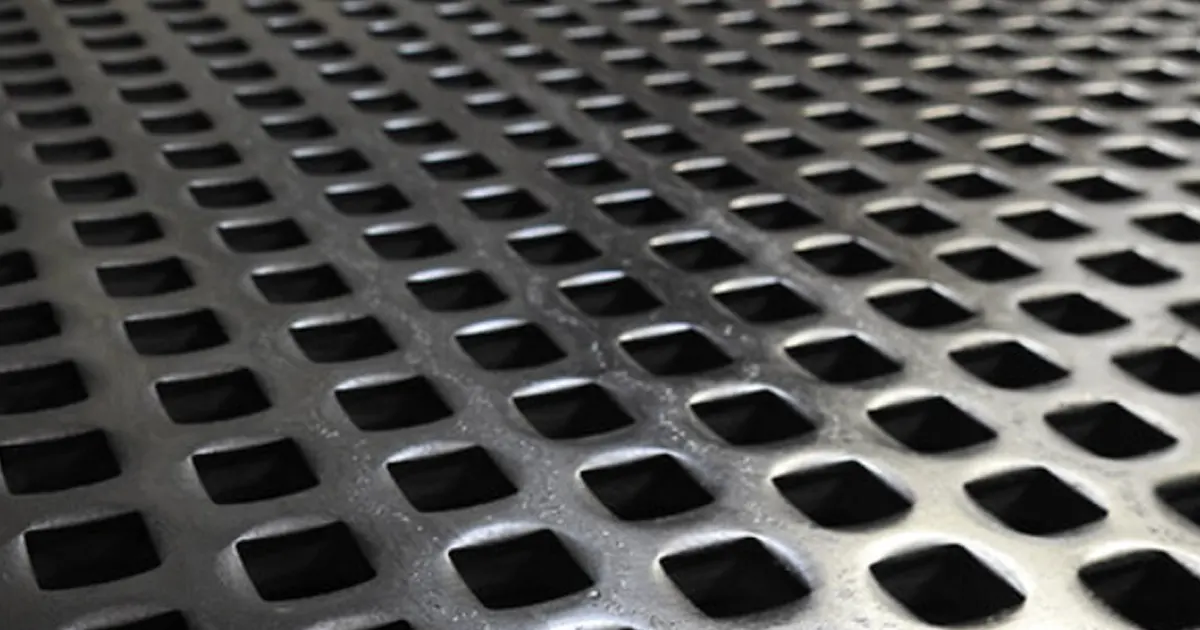
Primary scalping stages in 2026 require surfaces that function as structural armor against the constant bombardment of heavy granite and basalt. When a 250kg boulder drops from a primary feeder, the kinetic energy transferred to the deck can cause standard wire strands to snap or stretch within 150 operating hours.
"A 2024 technical audit of 12 hard-rock quarries in North America confirmed that using 20mm-thick abrasion-resistant steel plates reduced unplanned welding repairs for the screen frame by 48%."
The mass and density of punch plate screens allow the deck to remain flat under heavy loads, ensuring that the material bed travels at a consistent speed. This stability is mandatory for maintaining a 95% efficiency rate, as any sagging in the screening surface creates "pools" of material that lead to inefficient separation and carryover.
Maintaining this flow becomes impossible when apertures deform, a common issue where a 75mm mesh opening expands to 82mm under extreme pressure. Such a 9% increase in hole size allows oversized rocks to bypass the primary stage, which increases the wear on secondary cone crushers by 22% due to the unintended feed size.
| Performance Metric | Woven Manganese Wire | AR400 Perforated Plate | AR500 Perforated Plate |
| Brinell Hardness | 220 - 280 HBW | 360 - 440 HBW | 470 - 540 HBW |
| Typical Wear Life | 400 - 600 Hours | 2,500 - 3,500 Hours | 4,000+ Hours |
| Aperture Stability | Poor (Stretches) | Excellent (Rigid) | Excellent (Rigid) |
| Impact Resistance | Low (Snaps) | High (Absorbs) | Maximum (Resists) |
Solid steel plates are precision-cut with CNC plasma or laser systems to include a 3-to-5 degree relief angle on the bottom of each hole. This tapered design ensures that any rock entering the top of the aperture falls through freely, which reduces the occurrence of "pegged" or trapped rocks by 30% compared to square-weave mesh.
Reducing pegging keeps the screening area active for the entire shift, preventing the 15% drop in throughput that typically occurs when operators have to manually clear a blinded deck. The flat surface also allows for a "snag-free" flow, where the material slides across the plate without catching on the knuckles of woven wires.
"Experimental data from 2023 showed that staggered hexagonal hole patterns in steel plates provided 12% more open area than traditional round holes, while maintaining the same structural tensile strength."
This specific hole geometry optimizes the balance between structural integrity and the volume of material passing through the deck every hour. Because the plates do not require the same tensioning as wire, they do not suffer from the vibration-induced fatigue that causes wires to fray and break at the hook strips.
Eliminating hook strip failures and tensioning adjustments saves a maintenance crew approximately 180 labor hours over a 12-month period for a single triple-deck screen. Modular plate sections are bolted or wedged into place, allowing a single technician to replace a worn section in less than an hour without specialized tensioning equipment.
-
5x increase in total tons processed before a surface change is required.
-
10-decibel reduction in high-frequency noise compared to standard steel mesh.
-
Zero stretching during the life of the plate, maintaining strict ASTM product sizes.
-
80% less waste by replacing only the high-wear impact zones of the deck.
The reduction in high-frequency vibration also benefits the mechanical components of the vibrating motor and the eccentric shaft bearings. Lowering the "vibration noise" in the steel sub-structure has been shown to reduce bearing operating temperatures by 8 degrees Celsius, extending the interval between lubrication cycles.
In many European aggregate plants, the switch to perforated steel surfaces in the primary stage has become a standard for environmental compliance. The duller sound of rock hitting a 25mm steel plate is significantly easier to dampen than the ringing of wire mesh, keeping site noise below the 85-decibel limit required for urban operations.
"A 2025 survey of maintenance managers in the UK indicated that the use of bolt-down plates reduced the risk of 'pinch-point' accidents by 65% compared to handling large rolls of wire mesh."
Predictability in wear allows for a data-driven approach where the thickness of the plate is measured every 500 hours to forecast the exact date of the next replacement. This prevents the "emergency shutdowns" that cost operators an average of $8,000 per hour in lost production and idle trucking fleets.
| Comparison Factor | Tensioned Wire | Perforated Steel Plate |
| Replacement Time | 4 - 6 Hours | 0.5 - 1.5 Hours |
| Safety Risk | High (Sharp Wires) | Low (Flat Edges) |
| Predictability | Low (Sudden Breaks) | High (Measurable Wear) |
| Total Cost / Ton | $0.18 | $0.09 |
Heavier plates add a stabilizing mass to the vibrating frame, which helps maintain a consistent stroke even when the feed rate fluctuates by 20%. This mechanical momentum ensures that the machine does not "bog down" under a sudden surge of material, preserving the quality of the final aggregate separation throughout the entire production cycle.